
Unlock Thrills: Smart Gambling on a Budget
April 17, 2026Entenda a experiência icônica do cassino: Onde a sorte encontra finanças inteligentes
April 18, 2026Understanding the 50% Gamble Concept
The realm of gambling often involves probabilities and strategic approaches that can seem complex. A frequently discussed concept revolves around a “50% structure,” which, while not a formal rule in most games, represents a hypothetical ideal or a simplified model of chance. This idea suggests that in an evenly matched scenario, a player or outcome has a fifty-fifty chance of occurring. It’s a foundational concept for understanding odds, even in games that deviate significantly from perfect parity, and many players seek out platforms like Wild Tokyo Casino to test these theories.

When people refer to a 50% structure in gambling, they are often thinking about situations where the house edge is minimal or theoretically absent, leading to a balanced contest between the player and the game provider. This can be applied to certain types of bets in games like blackjack with perfect strategy, or in peer-to-peer betting scenarios where stakes are simply divided. It serves as a benchmark for assessing fairness and potential profitability.
The Psychological Appeal of 50/50 Odds
The allure of a 50% chance is deeply ingrained in human psychology. It represents a perfect balance of risk and reward, where anticipation is at its peak. This perceived fairness makes gambling activities more engaging and accessible, as players feel they have a genuine opportunity to win. The simplicity of a binary outcome – win or lose – with equal probability is inherently captivating.
This psychological draw is often leveraged by platforms offering gambling experiences. The idea of a “fair game” or a “balanced fight” directly appeals to the desire for equitable competition. While real-world casino games inherently contain a house edge, the theoretical 50% model acts as a powerful psychological anchor, drawing players in with the promise of a true contest of chance.
Mathematical Foundations and Deviations
In many popular casino games, the strict 50% structure is a theoretical construct rather than a reality. The house edge, a built-in advantage for the casino, ensures that over the long run, the operator will profit. This edge is achieved through subtle rule variations, commission fees, or specific payout structures that slightly tilt the odds away from the player. For instance, in roulette, the presence of the zero (or double zero) pockets prevents a true 50/50 outcome on red or black bets.
Despite these deviations, understanding the 50% ideal is crucial for players seeking to minimize losses or identify games with better odds. By analyzing the actual probabilities and comparing them to the theoretical 50% benchmark, players can make more informed decisions about where to place their wagers. This analytical approach is a cornerstone of responsible and strategic gambling.
The Role of Strategy in Navigating Odds
While luck plays a significant role in gambling, strategic decision-making can influence outcomes, especially in games that don’t strictly adhere to a 50% structure. Games like poker or blackjack allow players to employ skills, such as card counting or optimal play, to reduce the house edge or even gain a temporary advantage. These strategies aim to exploit deviations from the pure chance model.
Even in games of pure chance, strategic betting patterns can be employed. Players might adopt systems like Martingale or D’Alembert, although these are more about managing bankrolls than altering fundamental odds. The core principle remains: understanding the underlying probabilities, even those that deviate from a 50% ideal, is key to engaging with gambling in a more controlled and potentially rewarding manner.
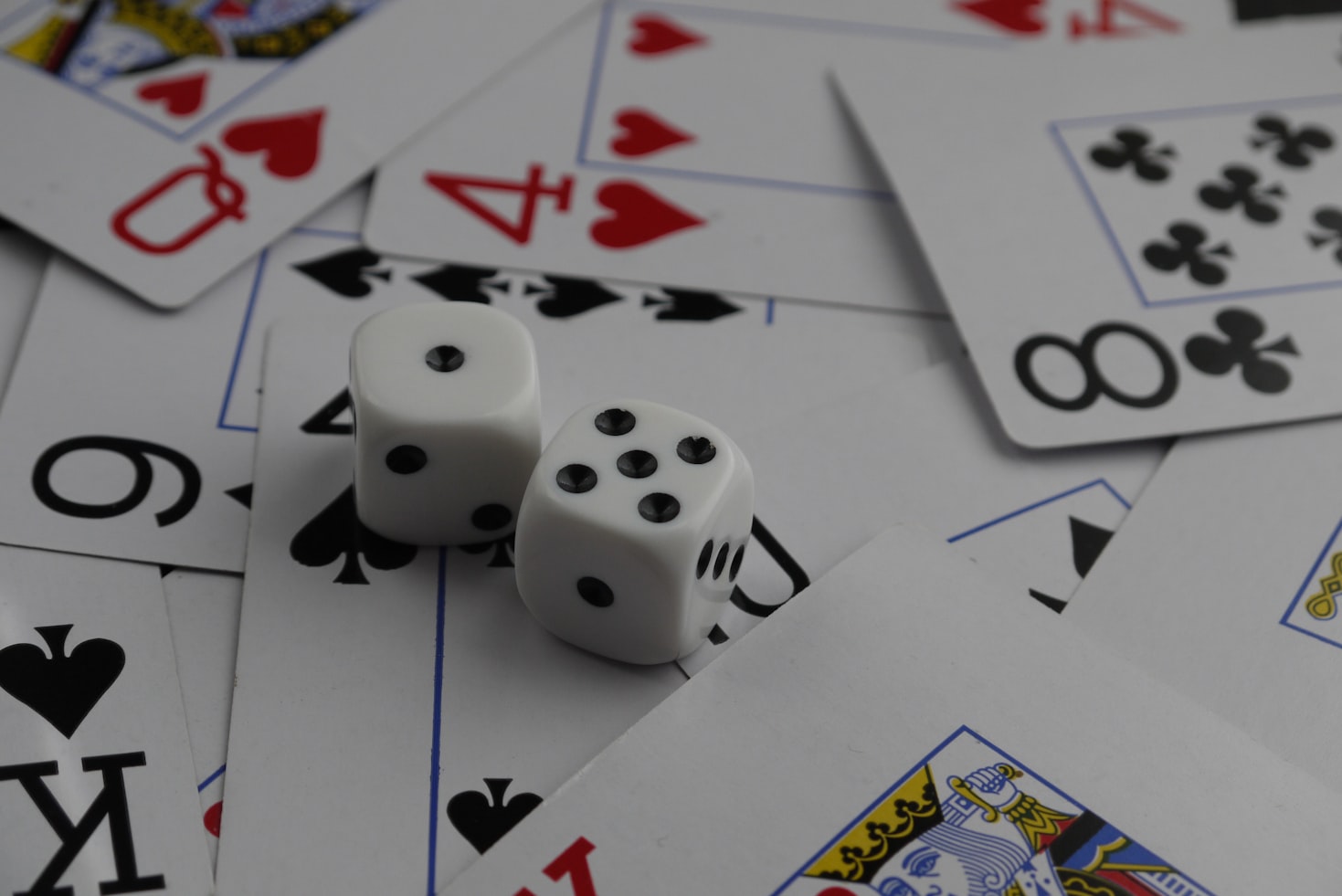
Assessing Online Platforms and Their Structures
When exploring online gambling, players often seek platforms that offer a fair and engaging experience, reflecting the idea of a balanced contest. While the strict 50% structure is rare due to inherent house advantages, reputable online casinos strive for transparency in their odds and game mechanics. The availability of clear information about game rules, return-to-player (RTP) percentages, and licensing is crucial for players.
Players looking for a reliable online gambling environment often consider factors like game variety, bonuses, and customer support. For instance, platforms that offer a wide selection of slots with high RTPs or table games where strategic play can significantly impact the odds are often favored. It is important to approach any online casino with an understanding that while they aim to provide entertainment, the games are designed with a house edge, moving away from a pure 50% structure but still offering exciting gameplay.
